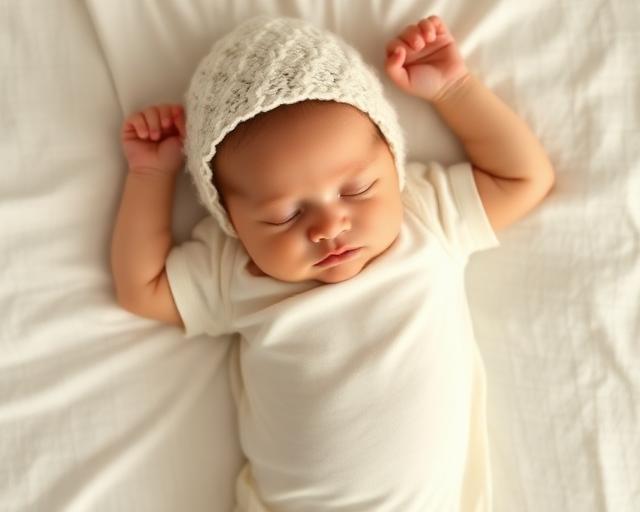

Baby yoga is often mistaken for baby massage’s gentler, less serious cousin, some soft stretching to fill ten minutes. In twenty-three years of teaching both, I can tell you they do genuinely different things to your baby’s body, and the yoga side is doing more physiological work than most parents realise.
It moves oxygen around your baby’s body more efficiently
When you move a baby’s body through slow, supported positions, you help stimulate their circulatory system directly, aiding the delivery of oxygen and nutrients to every cell. Paired with the slower, deeper breathing that naturally happens during a yoga session, more oxygen enters the bloodstream in the first place. This is not abstract, it’s the same cardiovascular principle behind why gentle movement helps adults feel more alert and less sluggish, just applied to a body that is only weeks or months old.
It builds the muscles your baby will need for every milestone ahead
At birth, a baby’s muscle fibres are almost all already present, babies are actually far stronger than their size suggests, but those muscles strengthen and mature through use. The gentle resistance and stretching involved in baby yoga poses supports the voluntary, skeletal muscles your baby will rely on for every gross motor milestone to come: lifting their head, rolling, sitting, crawling, standing. You are not creating strength from nothing. You are giving already-present muscle fibres a reason to organise themselves toward movement.
It develops two senses you’ve probably never thought about
Every time you gently roll, tilt, or move your baby’s body through space, you are stimulating their vestibular system, the balance mechanism in the inner ear that helps them learn to counter gravity and eventually control their own head and eye movements. At the same time, you’re building their proprioceptive sense, their internal map of where their own body is in space, without needing to look at it. These two systems are the invisible infrastructure underneath every single physical milestone your baby will hit in their first two years, and they are built through movement, not through waiting.
It helps your baby’s spine do what it’s built to do
A newborn’s spine is one long outward curve, nothing like the S-shaped curve you and I stand on. As your baby becomes more active, lifting their head, rolling, crawling, eventually walking, the inward curves of the neck and lower back develop in response to that movement, building toward the balanced, four-curve adult spine. Gentle, supported movement is part of what invites that natural unfolding on schedule.
The part that surprises mothers: it regulates you too
Group-based, mindful movement programmes for new mothers have shown clinically meaningful reductions in maternal depression scores, roughly twice the effect size seen in comparison groups. Slow joint movement performs the same regulatory function on your nervous system as a long, slow exhale, because both are read by your vagus nerve as ‘you are safe.’ So the ten minutes you spend gently moving your baby’s legs and arms is quietly regulating your own nervous system too, through the exact same mechanism.
Where to begin tonight
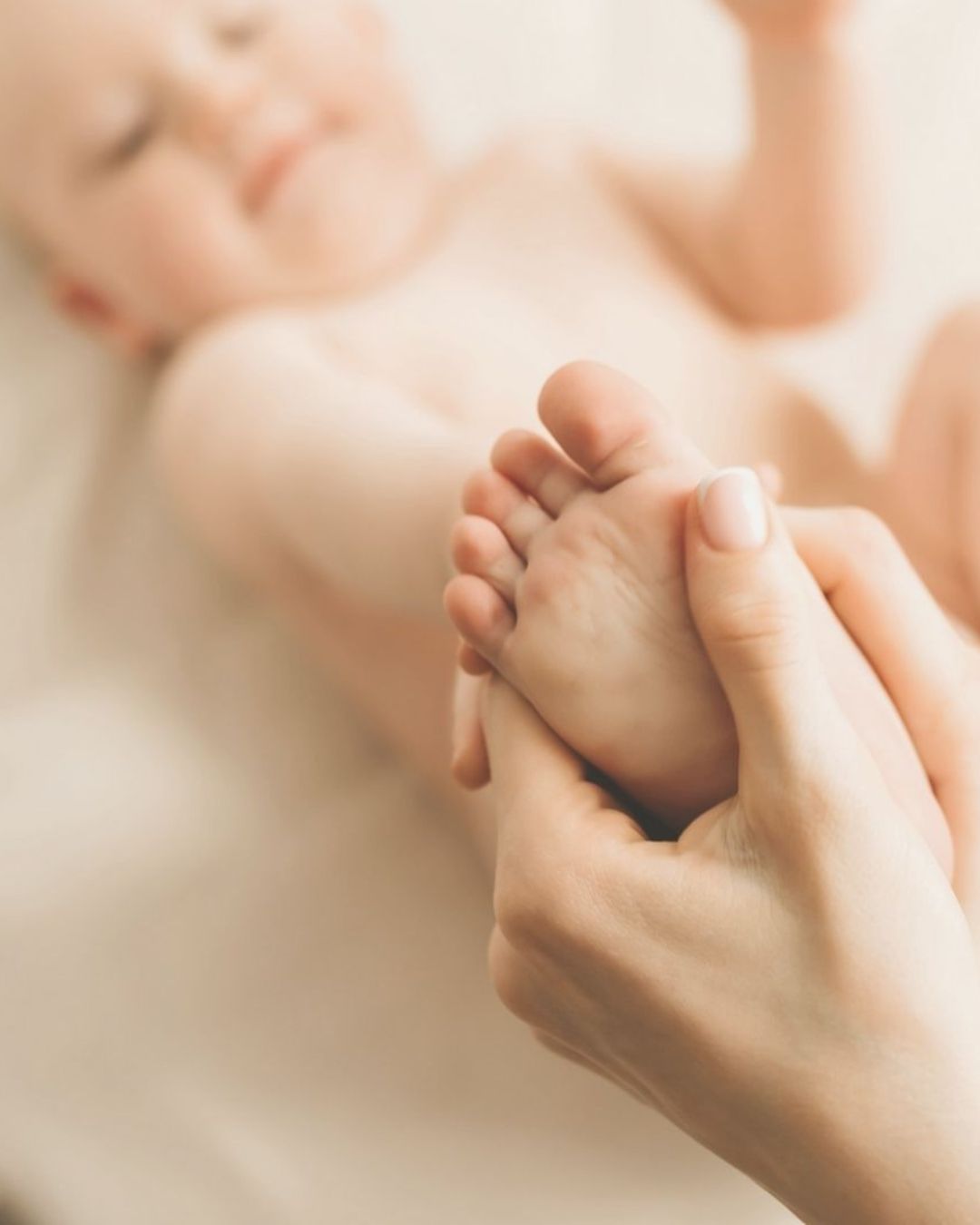
You do not need a mat, a class, or a routine memorised in advance. Lay your baby on their back, hold their ankles gently, and very slowly bring both knees toward the chest, then release, three times, slow, unhurried. That single movement touches the digestive system, the hips, and the vestibular sense all at once. Everything else is simply an extension of that first, slow motion.
With care, Gayle.