
After enough time spent inside the first-1,000-days research, nutrition, neuroscience, attachment psychology, one pattern keeps repeating in different language across all of it: the caregiver herself, not any particular method or product, is the actual mechanism doing the work.
What the research groups actually optimise for
Public health researchers studying this window describe the goal as “enriched caregiving” and “responsive caregiving,” phrases that describe a quality of attention and attunement, not a specific technique, schedule, or purchased product. The research is explicit that this window is an opportunity to be supported through ordinary, attentive presence, not a test with one correct method.
What co-regulation confirms from a different angle
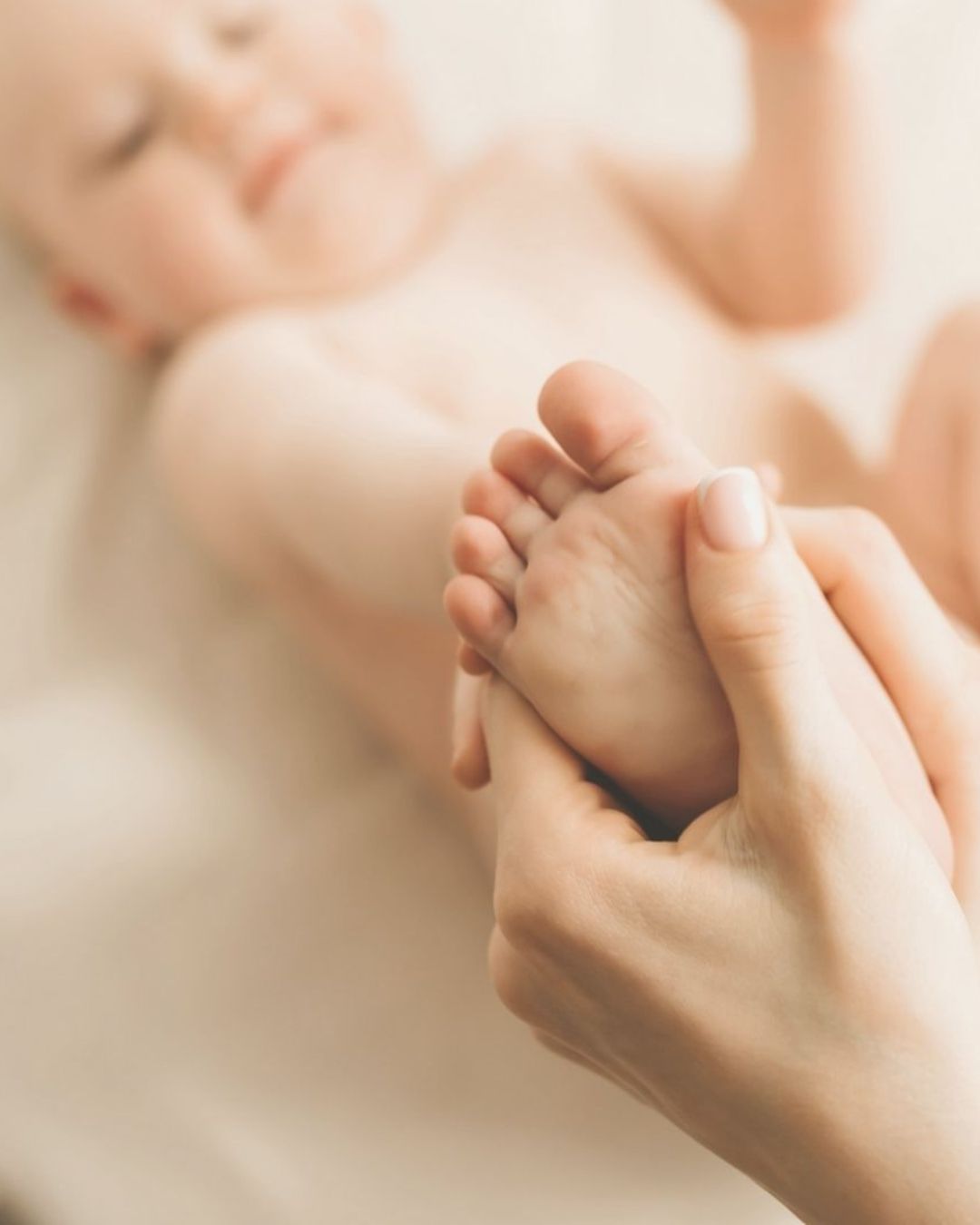
Separately, the developmental neuroscience of co-regulation shows that a baby’s early nervous system quite literally borrows regulatory capacity from a calm, attuned caregiver’s nervous system. This isn’t a method either, it’s closer to a description of what already happens whenever you hold, respond to, and settle your baby, which most mothers are already doing, imperfectly and often exhaustedly, every day.
Why this matters more than it might sound
It’s easy for “you are the intervention” to read as a nice sentiment. Treated as an actual finding across multiple, independent bodies of research, it’s a fairly direct rebuttal to the idea that you need the right app, the right consultant, or the right method to give your baby a good foundation. The foundation is largely already present in your ordinary attentiveness.
What this doesn’t dismiss
This isn’t a claim that expert support, medical care, or specific interventions never matter, they clearly do, particularly where there are genuine feeding, health, or developmental concerns. It’s a claim about the baseline: for the great majority of ordinary days, your presence and attunement are doing real, evidenced work, not filler while you wait to find the right technique.
You were already enough before the first chart was filled in, before the first app was downloaded, before you read a single piece of parenting advice, including this one.
The research doesn’t contradict that. Increasingly, it confirms it.
With care, Gayle.