In many cultures around the world, the first forty days after birth are considered sacred. Not productive. Not something to bounce back from. Not a time to prove your strength. Sacred.
In India, it is called sava mahina, the special month. In China, zuò yuè zi, sitting the month. In Latin America, la cuarentena, the quarantine. The practices differ, but the principle is the same: a mother who has just given birth needs to be held. Fed. Warmed. Protected. Seen.
She does not need to perform. She does not need to host visitors. She does not need to get back to normal. Because nothing is normal. Everything has changed. And the forty days are not about returning to who she was before. They are about becoming who she is now.
What the forty days are, and what they are not
The first forty days are not a recovery period, as if birth were an injury to heal from. They are not a waiting room before real life resumes. They are not a time to prove you can do it all. They are a threshold. A transformation. A becoming.
In those forty days your body is reorganising itself, your organs shifting back, your uterus contracting, your hormones plummeting and surging. Your nervous system is recalibrating from pregnancy to postpartum, from one identity to another. Your baby is adjusting to life outside the womb. And you are learning to be a mother, not in theory but in practice, in the 3am feedings, the endless nappy changes, the moments of overwhelm and awe. You cannot rush this. And yet, modern culture asks you to.
What modern motherhood tells you
Modern motherhood tells you that you should be back to yourself within weeks. That you should be hosting visitors, answering messages, posting updates. That you should be grateful, glowing, effortlessly bonding. That your body should bounce back. That your baby should sleep on a predictable schedule.
And if you cannot do all of this, you think: what is wrong with me? Here is the truth: there is nothing wrong with you. You are trying to perform productivity in a period that was designed for rest. You are trying to bounce back when you should be held. You are trying to be the after when you are still very much in the during.
What the ancient traditions knew
The mother is fed. Not by herself, standing at the stove holding a baby, by other women. Warm, nourishing food. Soups, stews, broths. Food that builds blood, strengthens digestion, supports milk production. The mother is fed so she can feed her baby.
The mother is kept warm. Her body is considered open after birth, vulnerable to cold, wind, depletion. This is not superstition. This is nervous system regulation. Warmth signals safety. A mother who has just given birth needs her nervous system to feel safe so it can rest, repair, and bond.
The mother does not work. She does not cook, clean, host, or get back to work. Her only job is to rest, feed her baby, and be fed herself. The village holds everything else. Because the mother cannot hold the baby and the household and herself. She needs to be held so she can hold her baby.
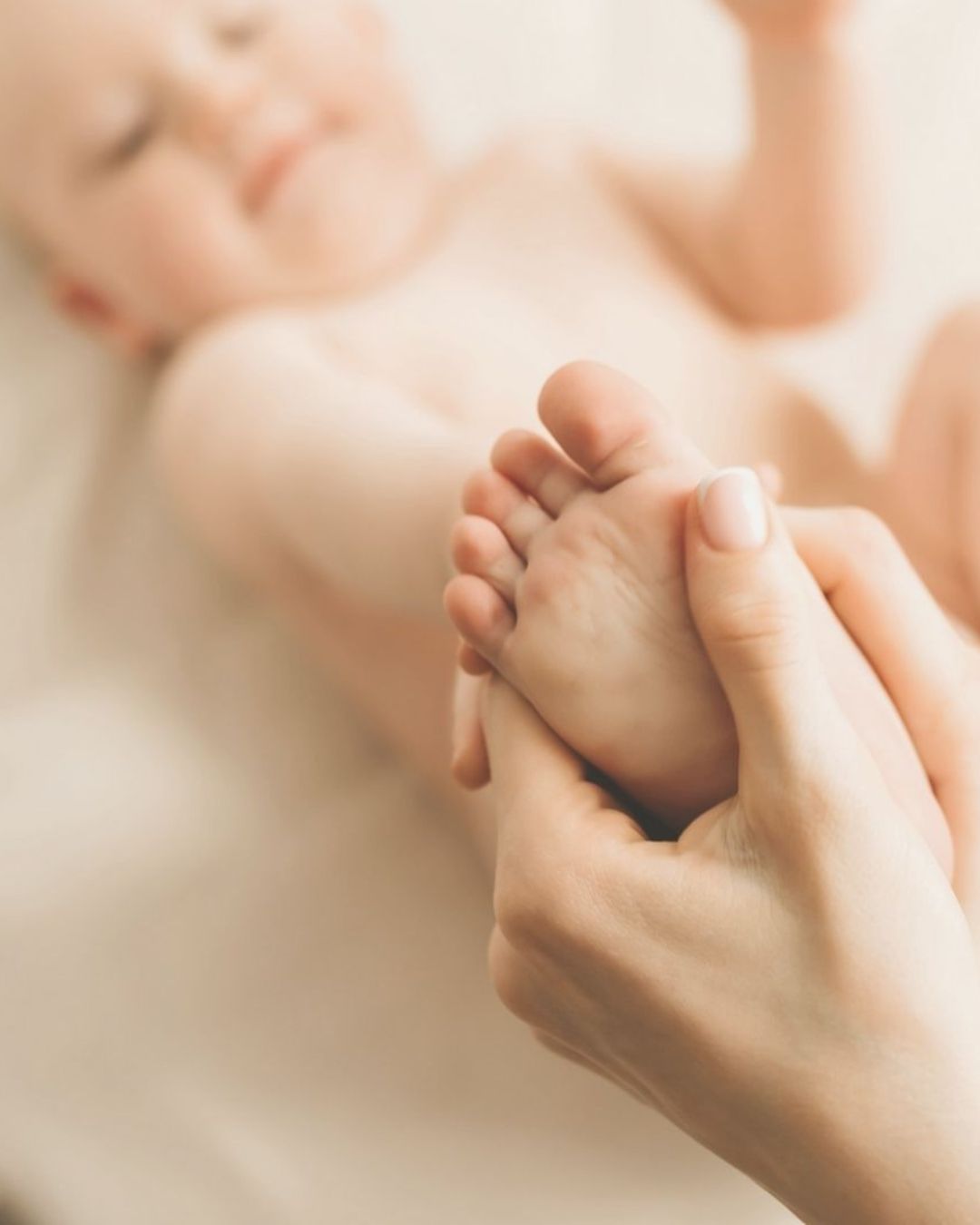
The mother is massaged. In India, the dai massages her abdomen to help the uterus return. In Malaysia, jamu massage supports recovery. In Mexico, the partera binds the belly and offers herbal baths. Touch is not a luxury. It is medicine, it regulates the nervous system, reduces cortisol, and reminds the mother: you are not alone.
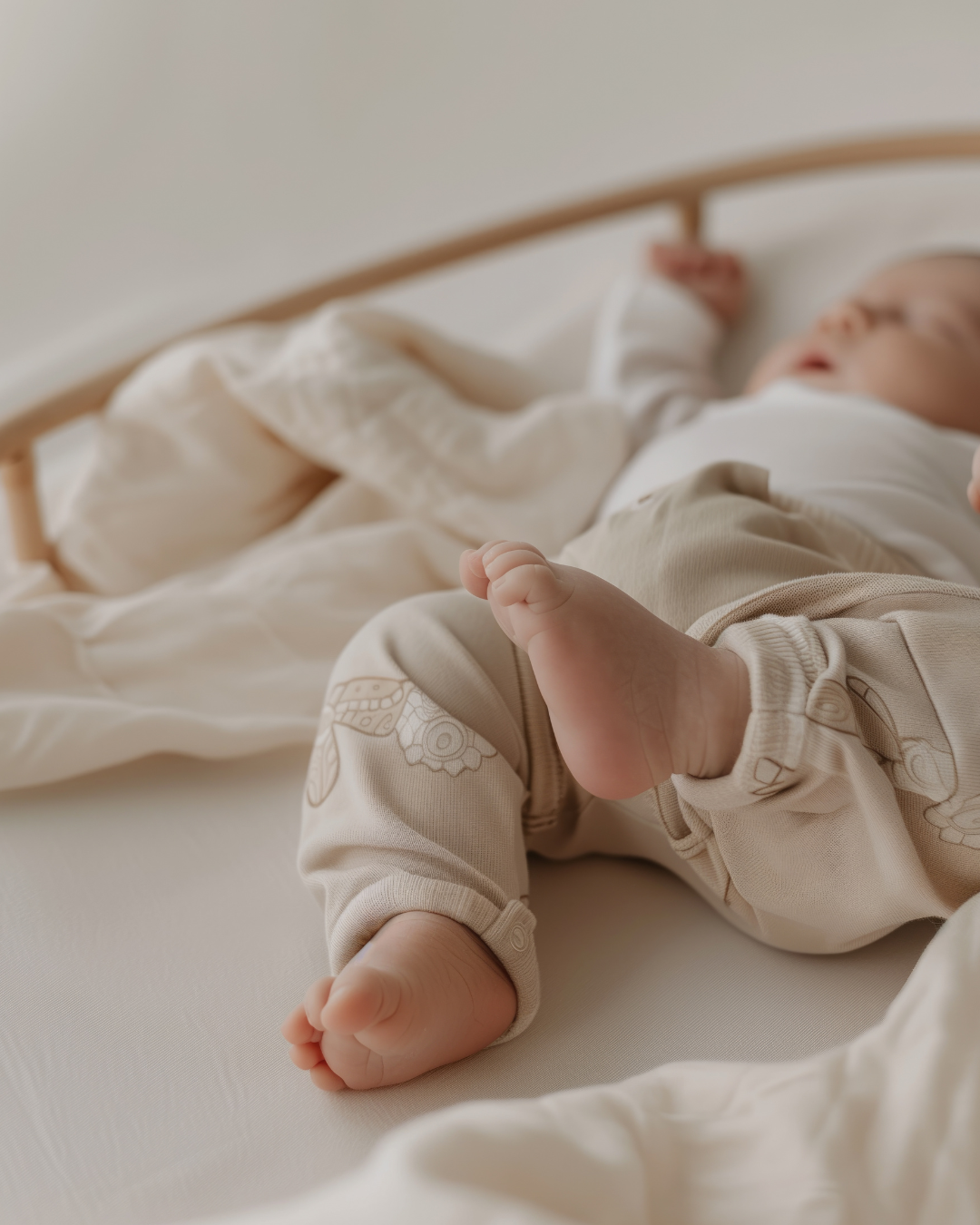
Visitors are limited. The mother and baby are not on display. They are cocooning. The first forty days are for bonding, for learning each other, for the mother’s body to rest without the energetic demand of entertaining others.
What happens when the forty days are not honoured
When a mother does not rest in the forty days, her body and nervous system pay the price: physical depletion, hormonal dysregulation, nervous system overload, and depleted attachment. And here is what is rarely named, the effects can last years. The exhaustion that never quite lifts. The resentment that builds. The sense of being unseen. These are not personal failings. They are the consequences of a culture that does not hold mothers.
How to reclaim the forty days, even in a modern world
You may not have a village. You may not have a dai or a mother-in-law who cooks. You may be going back to work in six weeks. But you can still honour the spirit of the forty days.
Lower the bar for everything except rest. The laundry can wait. The emails can wait. Your one job is to rest when the baby rests.
Say no to visitors, or limit them strictly. If someone wants to visit, they can bring food, do a load of laundry, hold the baby while you nap, and stay for twenty minutes, not two hours. If they cannot do those things, they can wait.
Accept help. If someone offers to bring food, say yes. If someone offers to hold the baby, say yes. If someone offers to sit with you while you cry, say yes. This is not weakness. This is survival.
Eat warm, nourishing food. Warm, easy to digest, rich in protein, healthy fats, and iron. This is not about losing the baby weight. This is about rebuilding your body after it grew and birthed a human.
Stay close to your baby. The first forty days are for bonding, not sleep training, not scheduling, not teaching independence. Hold your baby. Feed your baby. Sleep near your baby. This is not spoiling them. This is building their nervous system. And it is building yours, too.
Your steadiness is not separate from your baby’s wellbeing, it is one of the central mechanisms of it.
Loving yourself, in this light, was never a departure from loving your baby. It was always part of the same practice.
With care, Gayle.